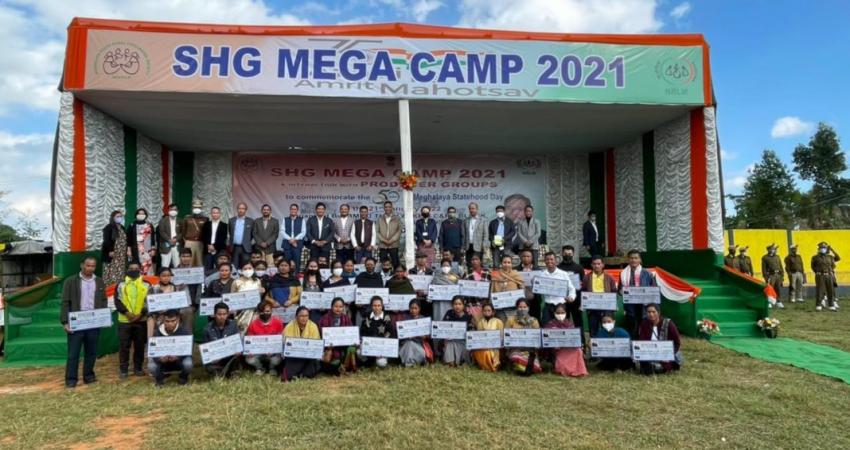
Self-Help Groups (SHGs) are small, informal groups of individuals who come together to support each other in achieving common financial and social goals. These groups, primarily composed of women in rural areas, aim to improve the members' economic and social status through collective savings, credit access, and mutual assistance. This article provides a detailed guide on SHGs, their formation, and the requirements for their successful operation.
What is a Self-Help Group (SHG)?
An SHG is typically a community-based group consisting of 10-20 members who pool their savings into a common fund. This fund is then used to provide loans to members at low-interest rates, fostering financial independence and entrepreneurship. SHGs often receive support and guidance from NGOs, government agencies, and financial institutions.
Importance of SHGs
- Financial Inclusion: SHGs promote financial inclusion by providing members access to credit and savings facilities, especially in rural and underserved areas.
- Empowerment: By fostering economic independence, SHGs empower members, particularly women, to take on leadership roles and improve their socio-economic status.
- Community Development: SHGs often engage in community development activities, addressing local issues and contributing to the overall development of their areas.
- Entrepreneurship: SHGs encourage members to start and manage small businesses, promoting entrepreneurship and self-reliance.
Formation of SHGs
Forming an SHG involves several steps, starting with identifying potential members and ending with the group's regular functioning and growth. Here's a step-by-step guide to forming an SHG:
Step 1: Identification of Members
- Homogeneity: Select members with similar socio-economic backgrounds to ensure cohesiveness. Members should share common interests and trust each other.
- Group Size: Typically, an SHG consists of 10-20 members. A smaller group is easier to manage and allows for better interaction and decision-making.
Step 2: Group Registration
- Formal or Informal: SHGs can be either formally registered or informally recognized. Formal registration can provide legal recognition and access to government schemes.
- Documentation: Prepare necessary documents such as group bylaws, membership forms, and savings records. In case of formal registration, submit required documents to the relevant authority.
Step 3: Formation of Bylaws
- Rules and Regulations: Establish clear rules and regulations regarding savings contributions, meeting schedules, loan disbursement, and repayment procedures.
- Leadership Structure: Elect group leaders such as a president, secretary, and treasurer. Leadership should be rotated periodically to ensure active participation by all members.
Step 4: Regular Meetings
- Frequency: Hold regular meetings, typically weekly or monthly, to discuss group activities, savings, and loan management.
- Agenda: Maintain a structured agenda covering savings collection, loan applications, repayment tracking, and addressing any issues faced by members.
Step 5: Savings and Credit Activities
- Savings Collection: Collect regular savings from members. The amount can be small, but consistency is crucial.
- Internal Lending: Use the pooled savings to provide loans to members for various purposes such as starting a business, meeting emergency needs, or other personal requirements.
- Interest Rates: Set reasonable interest rates for internal lending. The interest earned should be added to the group’s fund.
Step 6: Record Keeping
- Financial Records: Maintain accurate records of savings, loans, repayments, and interest earned. This ensures transparency and builds trust among members.
- Meeting Minutes: Document the minutes of each meeting, including attendance, decisions made, and action items.
Requirements for Successful SHG Operation
- Trust and Cohesion: Trust and mutual respect among members are crucial for the group’s success. Regular interaction and transparent processes foster a sense of unity.
- Training and Capacity Building: Provide training to members on financial management, record keeping, leadership, and entrepreneurship. NGOs and government agencies often offer such training programs.
- External Support: Seek support from NGOs, government programs, and financial institutions. These entities can provide guidance, training, and access to credit facilities.
- Sustainability: Focus on long-term sustainability by continuously encouraging savings, timely loan repayment, and exploring income-generating activities.
- Networking and Linkages: Establish linkages with banks, government agencies, and other SHGs. Networking helps in accessing larger loans, grants, and new opportunities for growth.
Self-Help Groups play a vital role in fostering financial inclusion, empowerment, and community development, particularly in rural areas. By understanding the formation process and key requirements, SHGs can operate successfully and contribute to the socio-economic upliftment of their members. This guide serves as a starting point for individuals and organizations looking to form and support SHGs, paving the way for a more inclusive and empowered society.